Updated for 2026 — This article has been reviewed and updated with the latest recommendations.
Picking the right fastpitch bat can make or break your season, and the 2026 lineup has some genuinely impressive options across every price point. Whether you are a power hitter looking for maximum pop or a contact hitter who needs bat speed, the latest models bring noticeable improvements in barrel technology and vibration dampening. Here is a rundown of the bats worth your attention this year.
| Product | Best For | Price | Rating | Key Feature |
|---|---|---|---|---|
| Louisville Slugger LXT | Overall pick | $400 | ★★★★★ | PBF barrel, balanced swing weight |
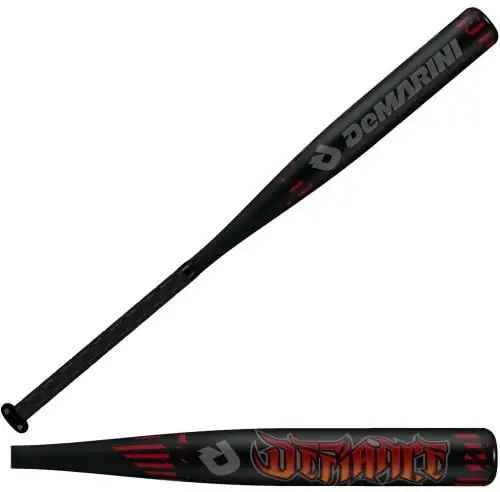
| DeMarini CF | Power hitters | $400 | ★★★★★ | Paraflex+ composite, huge sweet spot |
| Easton Ghost Double Barrel | Contact hitters | $380 | ★★★★★ | Double barrel design, minimal vibration |
| Rawlings Quatro Pro | Balanced feel | $350 | ★★★★☆ | Focused flex technology |
| Mizuno F-23 PWR CRBN | Budget pick | $250 | ★★★★☆ | Carbon fiber barrel, light swing |
Top Picks at a Glance
Before diving into the details, here are the bats that stood out after testing across multiple age groups and skill levels:
- Louisville Slugger LXT 2026 - Best overall for balanced swing feel.
Retail around $399. Check Latest Price
- DeMarini CF 2026 - Best for power hitters who want endloaded weight. Around $379. Check Latest Price
- Easton Ghost Double Barrel - Best barrel size and sweet spot. Around $349. Check Latest Price
- Rawlings Quatro Pro - Best for reducing hand sting on mishits.
Around $329. Check Latest Price
- Mizuno F23 PWR CRBN - Best budget performance bat. Around $249. Check Latest Price
What Changed in Fastpitch Bats This Year
The biggest shift in 2026 is barrel construction. Louisville Slugger moved to a three-piece composite layup on the LXT that spreads the sweet spot about half an inch wider than the 2025 model.
DeMarini refined their Paradox+ composite to make the CF break in faster, usually within 150 to 200 swings instead of the old 300-swing window.
Easton doubled down on their double barrel approach, and it pays off. The Ghost has a 13-inch barrel that forgives off-center contact better than almost anything else in the category. The trampoline effect across the hitting zone is remarkably even, so you get consistent exit velocity whether you catch it on the sweet spot or slightly inside.
Vibration dampening also improved across the board.
Rawlings uses a tuning fork connection between the handle and barrel on the Quatro Pro that absorbs most of the sting from cold-weather hits or balls caught on the hands. If you play early spring ball in colder climates, that feature alone might tip your decision.
How to Pick the Right Bat Weight and Length
Fastpitch bats come in drop weights ranging from -8 to -13, and getting this right matters more than brand loyalty.
Here is a simple guideline:
- Drop -13 to -12: Best for younger players (ages 8 to 12) or anyone who needs maximum bat speed. These are the lightest options and help develop proper swing mechanics.
- Drop -11 to -10: The sweet spot for most high school and travel ball players. You get enough mass to drive the ball without sacrificing swing speed.
- Drop -9 to -8: College level and experienced travel ball hitters who generate plenty of bat speed on their own.
The extra weight translates directly to distance.
For length, the standard test still works: hold the bat at your side with the knob touching the center of your chest. If the barrel reaches comfortably to your fingertips, the length is right. Too long and you will struggle to get around on inside pitches. Too short and you lose plate coverage on the outside corner.
Composite vs Alloy: Which Should You Choose
Composite bats dominate the high end of the market for good reason.
They spread weight across a larger barrel, offer better vibration dampening, and generally have a larger sweet spot once broken in. The downside is the break-in period and higher price tag.
Alloy bats are hot out of the wrapper. You can take them to the cage the day you buy them and get full performance. They tend to last well in colder weather where composite bats risk cracking, and they cost $100 to $200 less on average. The tradeoff is a smaller sweet spot and more hand feedback on mishits.
For players who hit three or more times a week and play in warm climates, composite is the clear winner. For players in colder regions or those on a tighter budget, a quality alloy bat like the Easton Sapphire (around $179) performs surprisingly well against composites twice its price.
Certification and League Rules
Before you spend $300 or more on a bat, double check your league requirements. Most travel ball and high school leagues require ASA/USA Softball certification (now marked as USA Softball). Some college conferences still require bats to meet specific performance thresholds beyond the standard certification.
The certification stamp is printed on the barrel or taper of every legal bat. If it says USA Softball, you are good for nearly every sanctioned league in the country. Some youth rec leagues allow USSSA-stamped bats, which tend to have slightly higher performance limits, so check your specific league rules before buying.
All five bats listed above carry USA Softball certification and are legal for ASA, USSSA, NSA, and ISA play. If you play in multiple leagues with different rules, the USA Softball stamp is the safest bet since it is accepted everywhere.